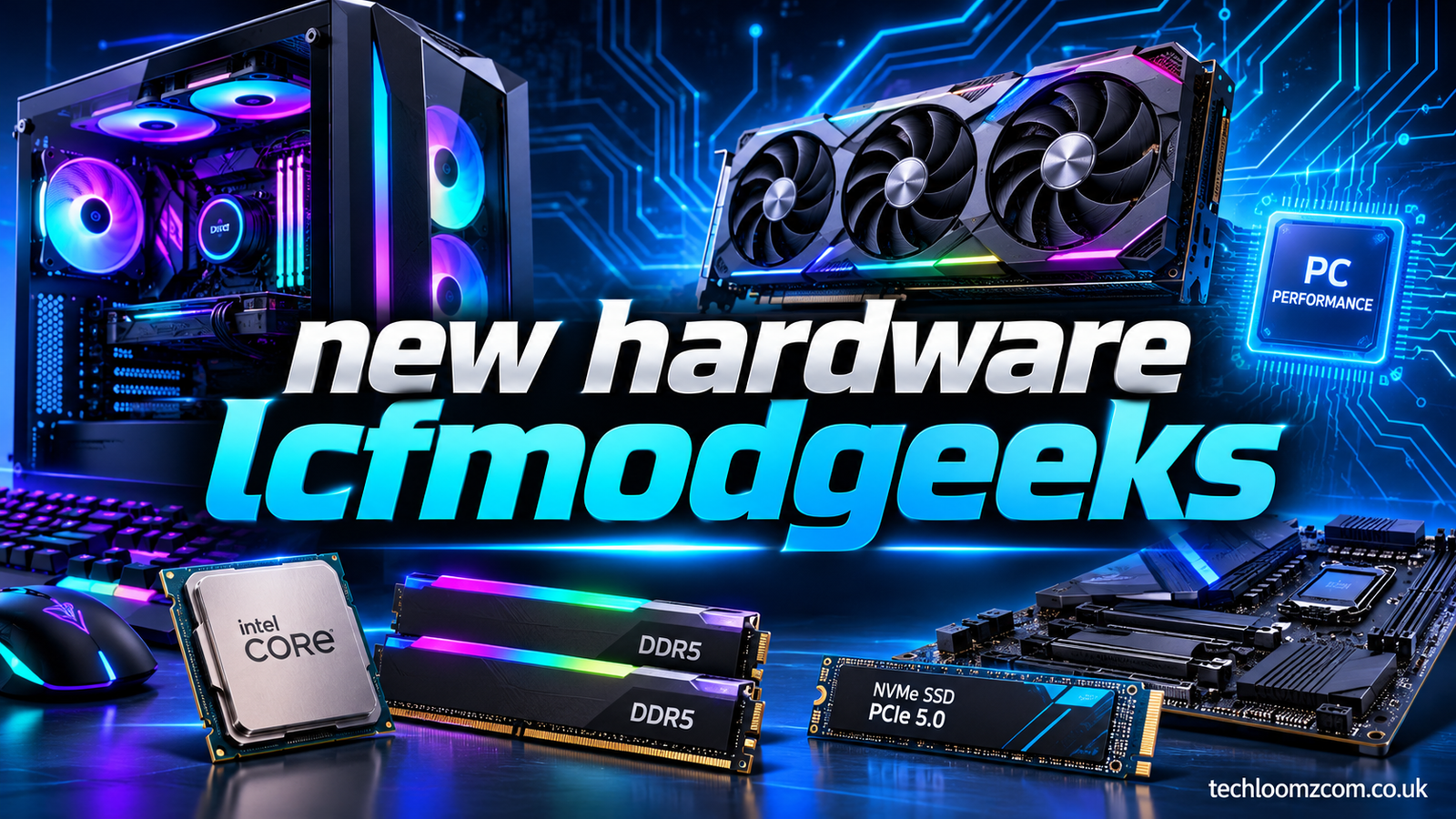
Technology continues to change the way people use computers, play games, create digital content, and manage everyday activities. Modern computer hardware is becoming faster, more efficient, and more advanced, giving users access to better performance and improved digital experiences. From powerful processors and graphics cards to high-speed storage, advanced cooling systems, and modern connectivity, every component plays an important role in building a reliable computer.
New Hardware LCFModGeeks is a topic that brings attention to modern hardware developments, gaming technology, computer upgrades, and the latest innovations in the PC industry. It is particularly relevant to people who want to understand how new components work, what makes modern gaming systems powerful, and which improvements are worth considering. Whether someone is a beginner, an experienced gamer, or a technology enthusiast, understanding hardware developments can make it easier to choose suitable equipment.
The growing interest in LCFModGeeks also reflects the increasing connection between gaming, software, and computer hardware. Modern games require capable systems, while creative applications demand reliable processing power and sufficient memory. Exploring these developments helps readers understand the technology behind modern computers and prepare for future changes in the digital world.
What Is New Hardware LCFModGeeks?
New Hardware LCFModGeeks refers to hardware-related topics associated with modern computer technology, gaming equipment, PC upgrades, and hardware developments discussed around the LCFModGeeks platform. The subject covers different computer components and explains how improvements in technology can influence system performance. It is useful for readers interested in understanding the relationship between hardware specifications and everyday computing experiences.
The term does not identify a specific processor, graphics card, motherboard, or officially recognized hardware product. Instead, it represents a broader area of interest involving new computer technologies and gaming-related hardware information. Readers exploring this topic may come across discussions about gaming PCs, computer performance, storage devices, memory upgrades, cooling systems, and accessories. Understanding this distinction is important because information about a technology topic should not be confused with an official product announcement.
LCFModGeeks is connected with gaming and technology-related content, making hardware an important subject for its audience. Computer enthusiasts often want information that explains technical developments in simple language. They may also want to understand whether an upgrade is necessary, how a particular component affects gaming, and what specifications matter when selecting a new computer.
Why New Computer Hardware Is Important
Computer hardware determines how effectively a system performs different tasks. A computer with a capable processor, suitable memory, reliable storage, and a powerful graphics card can handle demanding applications more efficiently than an outdated system with limited resources. Hardware improvements are particularly important as modern software becomes more complex and requires additional computing power.
Gaming is one of the areas where hardware development has a noticeable impact. Modern games feature detailed environments, realistic lighting, advanced animations, large maps, and complex visual effects. These features require considerable processing power and graphics performance. New hardware can help improve frame rates, reduce loading times, and deliver smoother gameplay when the complete system is properly configured.
Hardware improvements are also valuable for people who work with video editing, graphic design, animation, programming, and other creative activities. These tasks can involve large files, complex calculations, and demanding applications. A suitable computer system can reduce waiting times and make multitasking easier. This is why following new hardware developments is useful even for people who do not regularly play computer games.
Modern Processors and Their Role in PC Performance
The central processing unit, commonly known as the CPU, is one of the most important components of a computer. It handles instructions, performs calculations, manages background operations, and supports the software running on a system. A processor’s performance can influence everything from everyday browsing to advanced gaming and professional workloads.
Modern processors have developed significantly through improvements in core counts, processing architecture, cache memory, and energy efficiency. Companies such as AMD and Intel continue introducing processor generations designed for different types of users. Some models focus on gaming performance, while others provide additional processing resources for professional applications, multitasking, and content creation. AMD Ryzen and Intel Core processor families are common examples of modern desktop CPU options.
Choosing a processor requires more than looking at its advertised speed. Users should consider the number of cores, supported technologies, motherboard compatibility, thermal requirements, and the applications they intend to use. A high-end processor may not provide noticeable benefits for someone who mainly performs basic computer tasks. Similarly, gamers who stream or edit videos may benefit from a processor with stronger multitasking capabilities. Understanding these differences helps users select hardware that matches their actual requirements.
Graphics Cards and the Development of Gaming Technology
Graphics processing units, or GPUs, are essential for displaying images, rendering environments, and processing visual effects. In gaming computers, the graphics card often has a major influence on resolution, visual quality, and frame rates. Modern GPUs are designed to handle increasingly detailed graphics and support technologies that improve the overall visual experience.
Companies such as NVIDIA and AMD develop graphics cards for gaming, professional applications, and other computing tasks. Modern graphics technologies include ray tracing, AI-assisted image reconstruction, and advanced rendering techniques. These technologies help create more realistic lighting, reflections, shadows, and visual details. However, their performance benefits depend on the graphics card, game, resolution, and settings being used.
When choosing a graphics card, users should consider video memory, processing performance, power consumption, physical dimensions, and monitor requirements. Someone playing competitive games at 1080p may have different hardware needs from someone interested in visually demanding games at 4K resolution. It is also important to check whether the power supply and computer case can support the selected graphics card. A balanced system generally provides better value than purchasing an expensive GPU without considering the other components.
Motherboards, RAM, and Hardware Compatibility
The motherboard acts as the central connection point for computer components. It allows the processor, memory, graphics card, storage devices, and other hardware to communicate. Motherboards also provide important features such as USB ports, networking connections, audio support, expansion slots, and storage interfaces. Selecting a suitable motherboard is therefore an essential part of building or upgrading a computer.
Compatibility is one of the most important considerations when purchasing new hardware. Different processors require specific motherboard sockets and compatible chipsets. Memory support also varies between platforms, meaning that users cannot assume every RAM kit will work with every motherboard. Modern desktop platforms increasingly use DDR5 memory, which offers improved bandwidth compared with older DDR4 technology. However, the supported memory type and operating speeds must be checked before purchasing components.
Random access memory, commonly called RAM, temporarily stores information that the processor needs while applications are running. Having sufficient memory helps a computer manage multiple applications and demanding workloads. A gaming computer with limited RAM may experience performance problems when running modern games alongside browsers, recording software, and communication applications. Selecting an appropriate memory capacity and compatible speed can help create a more responsive system.
SSD Storage and Faster Computer Connectivity
Storage technology has improved considerably, making modern computers faster and more responsive. Traditional hard disk drives use mechanical components to read and write information, while solid-state drives store data using flash memory. SSDs generally provide faster access to files, quicker system startup, and shorter application loading times. This makes them an important upgrade for computers that still rely on older mechanical storage.
NVMe SSDs offer another improvement by using PCIe connections to provide high-speed data transfers. They are particularly useful for users who regularly work with large files, install demanding applications, or transfer substantial amounts of data. PCIe 4.0 and PCIe 5.0 storage devices provide different performance capabilities, although the actual speed depends on the drive, motherboard, and system configuration. Not every user needs the fastest available SSD, so capacity, reliability, and price should also influence the decision.
Connectivity is another important part of modern hardware development. USB-C, USB4, Wi-Fi, Bluetooth, and advanced networking technologies allow computers to connect with a wider range of devices. Faster connections can support external storage, monitors, accessories, and other equipment. However, users should check the specifications of individual ports and wireless components because similar-looking connectors do not always support identical features.
Cooling Systems and Power Supply Requirements
Computer components generate heat when performing demanding tasks. Processors and graphics cards can become particularly hot during gaming, rendering, and intensive workloads. If temperatures become excessive, some components may reduce their operating speeds to control heat. This can affect performance and create an inconsistent computing experience.
Modern cooling solutions include air coolers, liquid cooling systems, heatsinks, and case fans. Air cooling is often a practical option for many everyday and gaming computers because it can provide reliable temperature management without unnecessary complexity. Liquid cooling can be useful for certain high-performance systems, although it requires careful installation and maintenance. Good airflow inside the computer case is equally important because it helps remove warm air and bring cooler air toward the components.
The power supply unit is another component that should never be overlooked. It delivers electricity to the processor, graphics card, motherboard, storage devices, and other hardware. A suitable power supply should provide sufficient wattage, appropriate connectors, and reliable power delivery. Buyers should also consider efficiency ratings and product quality. Choosing a dependable power supply and suitable cooling system can improve system stability and support long-term hardware reliability.
How to Choose the Right Hardware for Your Needs
Choosing computer hardware becomes easier when users first understand what they expect from their systems. A person who mainly browses websites, watches videos, and works with documents does not need the same equipment as someone who plays demanding games or edits high-resolution videos. Identifying the main purpose of a computer helps prevent unnecessary spending and makes hardware selection more practical.
Budget planning is equally important. Instead of spending most of the available money on one expensive component, buyers should consider the complete system. The processor, graphics card, motherboard, memory, storage, power supply, and cooling solution should work together. Checking compatibility before purchasing can prevent installation problems and unexpected additional costs. Manufacturer specifications and independent performance tests can also provide useful information about real-world hardware capabilities.
Users upgrading an existing computer should identify the component that creates the biggest limitation. For example, replacing an old hard drive with an SSD may make an everyday computer feel significantly faster. Increasing memory can improve multitasking, while a graphics card upgrade may provide better gaming performance. Following New Hardware LCFModGeeks discussions can help readers understand these possibilities and make more informed decisions.
The Future of New Hardware LCFModGeeks
The future of computer hardware will likely involve continued developments in artificial intelligence, graphics processing, memory, storage, and energy efficiency. AI is already becoming an important part of modern computing, particularly in image generation, intelligent software features, graphics rendering, and productivity applications. As these technologies develop, computers may become more capable of handling complicated tasks while improving the overall user experience.
Gaming hardware is also expected to continue evolving. More advanced graphics architectures, faster processors, improved memory technologies, and better cooling solutions will influence the next generation of gaming systems. Cloud gaming and remote computing may also become more important as internet infrastructure and data processing capabilities improve. However, traditional gaming PCs will remain valuable for users who prefer local performance, customization, and greater control over their systems.
LCFModGeeks can remain relevant to technology enthusiasts by covering these developments and explaining their practical importance. Readers benefit most from clear hardware explanations, reliable product information, compatibility guidance, and realistic discussions about performance. As technology changes, understanding the difference between useful innovation and unnecessary marketing claims will become increasingly important.
Conclusion
New Hardware LCFModGeeks represents an interesting area of modern technology focused on computer hardware, gaming improvements, PC upgrades, and emerging digital innovations. From processors and graphics cards to motherboards, RAM, SSD storage, cooling systems, and connectivity, every component contributes to the performance and reliability of a computer.
For gamers, beginners, and technology enthusiasts, staying informed about hardware developments can make computer upgrades easier and more effective. However, purchasing decisions should always be based on compatibility, actual performance requirements, product reliability, and available budgets rather than popularity alone.
As computer technology continues to advance, topics associated with New Hardware LCFModGeeks can help readers better understand the changing PC industry. Learning about modern components and following trustworthy hardware information provides a strong foundation for building better computers, improving gaming experiences, and preparing for future technological developments.